Tobias
Johansson
The interesting problems in IT are rarely about the technology. I've spent 15 years figuring out how to make systems quietly serve the people using them.
Internal products built at Toca Boca and Spin Master — production systems used daily by the teams.
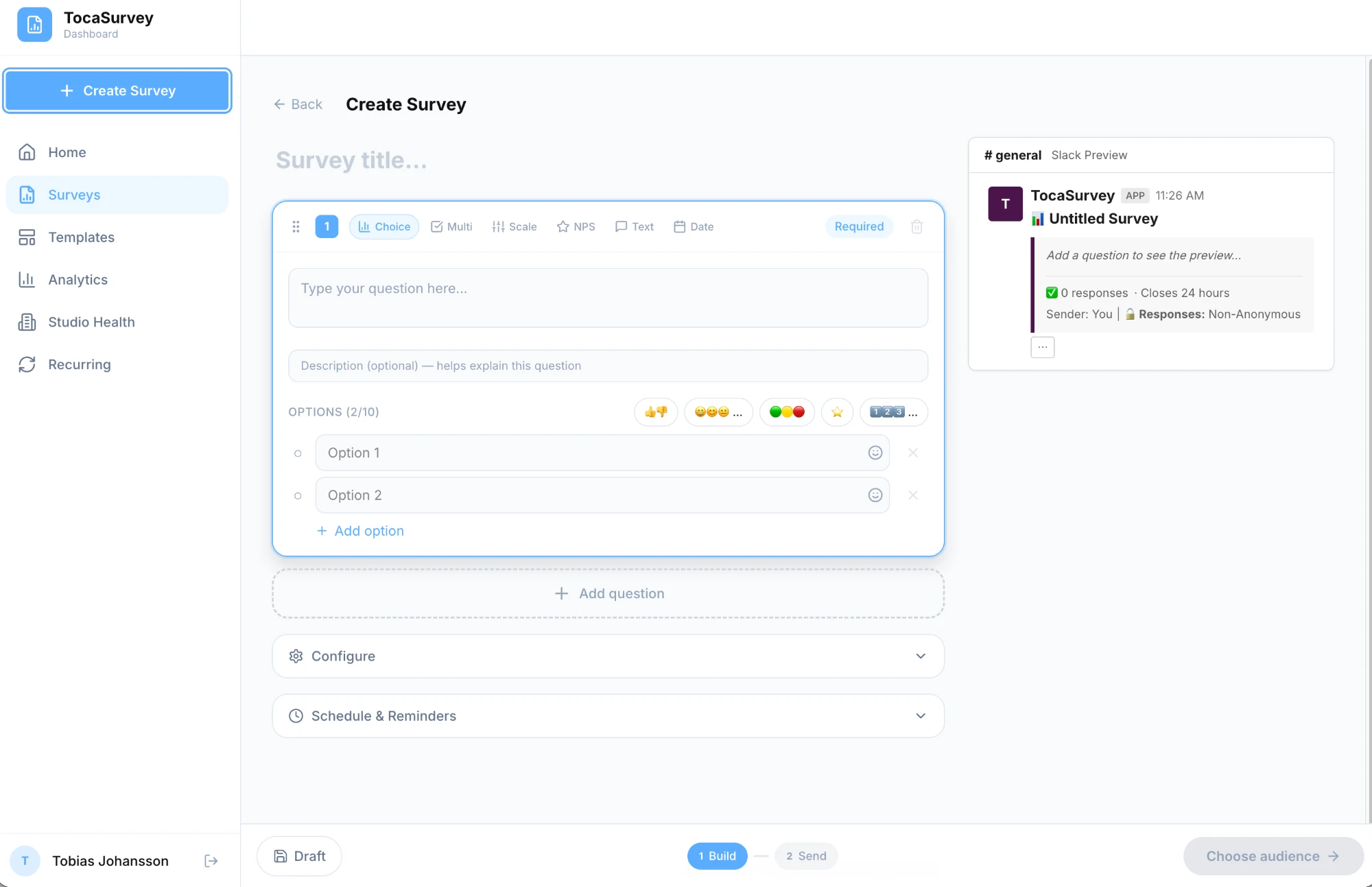
TocaSurvey
A full Polly.ai replacement built for Toca Boca — surveys, pulse checks, and peer recognition inside Slack, with privacy controls employees can actually see and trust before they answer.
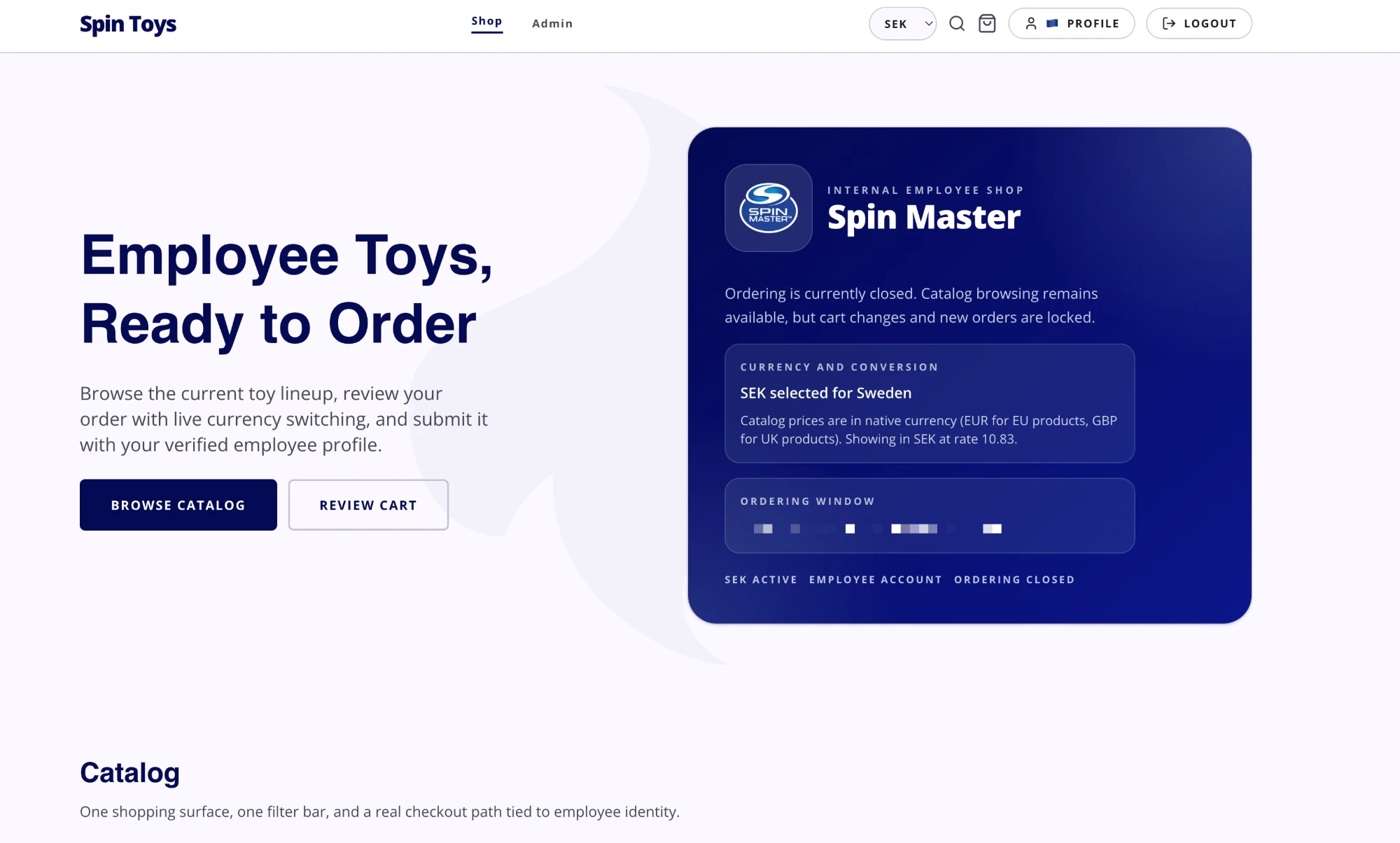
Spin Toys
An internal storefront that replaced the annual toys-at-cost email chain. Sign in with your company account, see your regional catalog, and submit your order. Simple by design — the complexity is all under the hood.
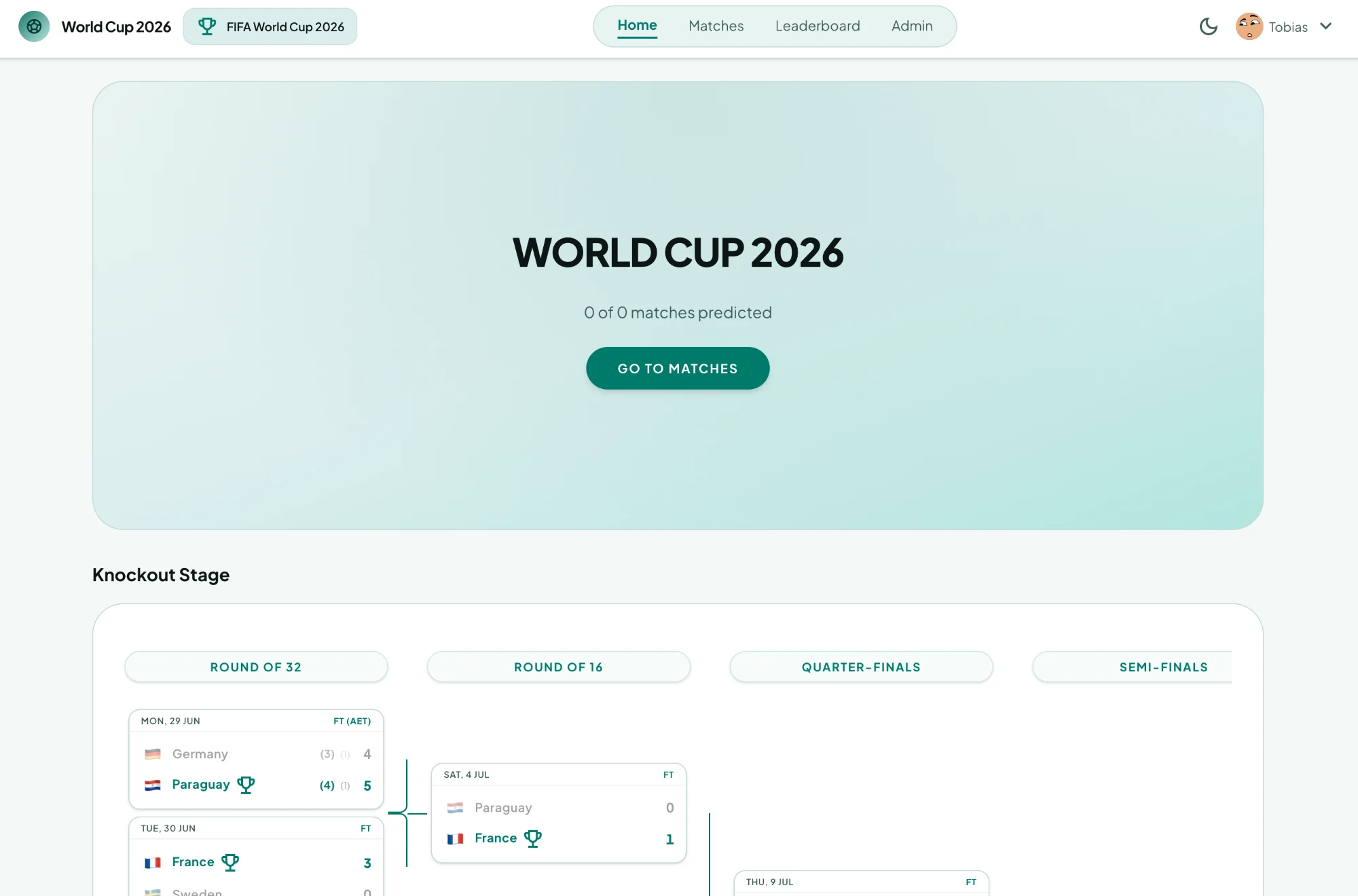
World Cup 2026
A score prediction game for the office — 104 matches, power-up chips, live scoring, and Harry Boy: an AI engine that layers FIFA rankings, live bookmaker odds, and Gemini to generate predictions that feel like they were actually thought about.
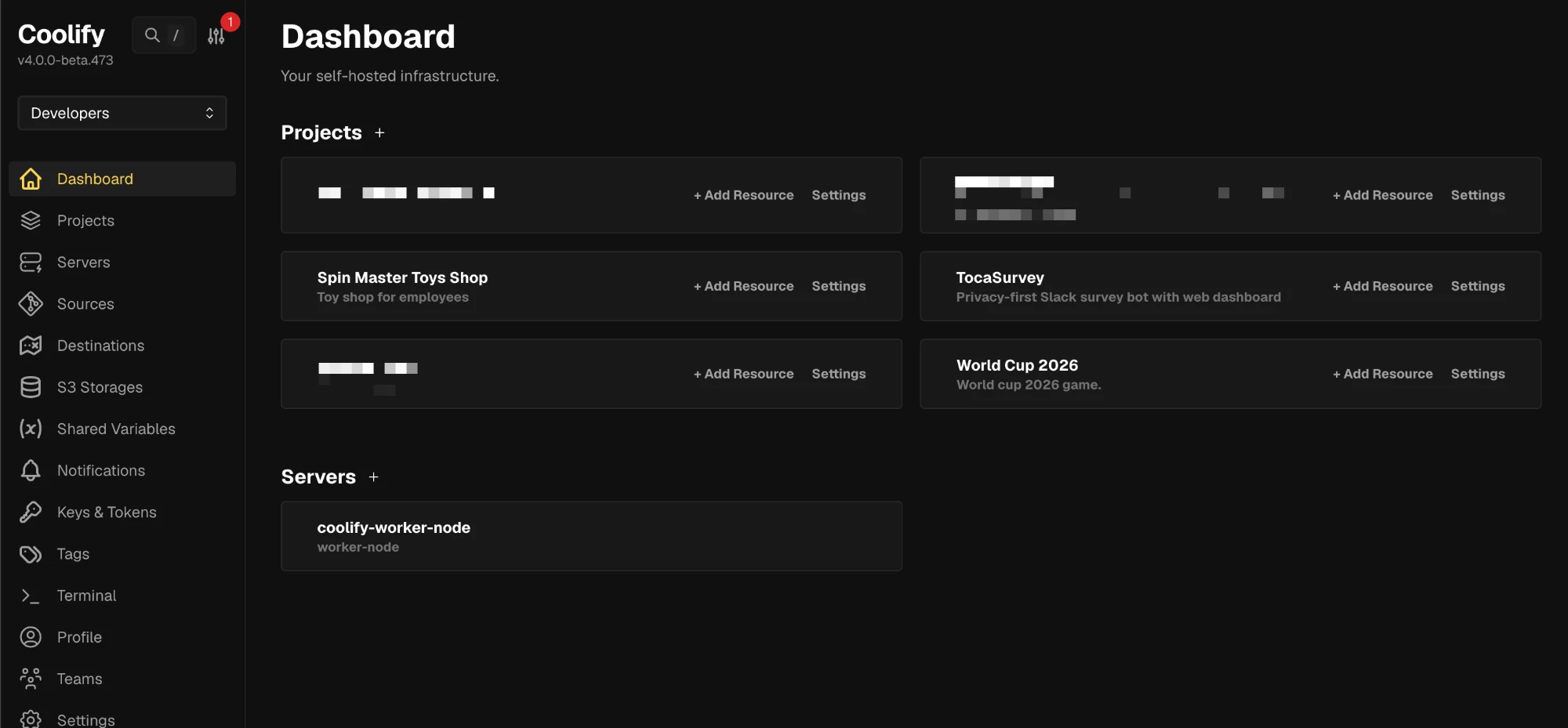
Developer Platform
The infrastructure backbone that makes everything else possible — a self-hosted cloud platform running all engineering projects for both companies, with zero-touch deploys, isolated PR previews, and a security gate that can't be bypassed.
Things I build outside of work — usually to scratch an itch or learn something I don't yet know.
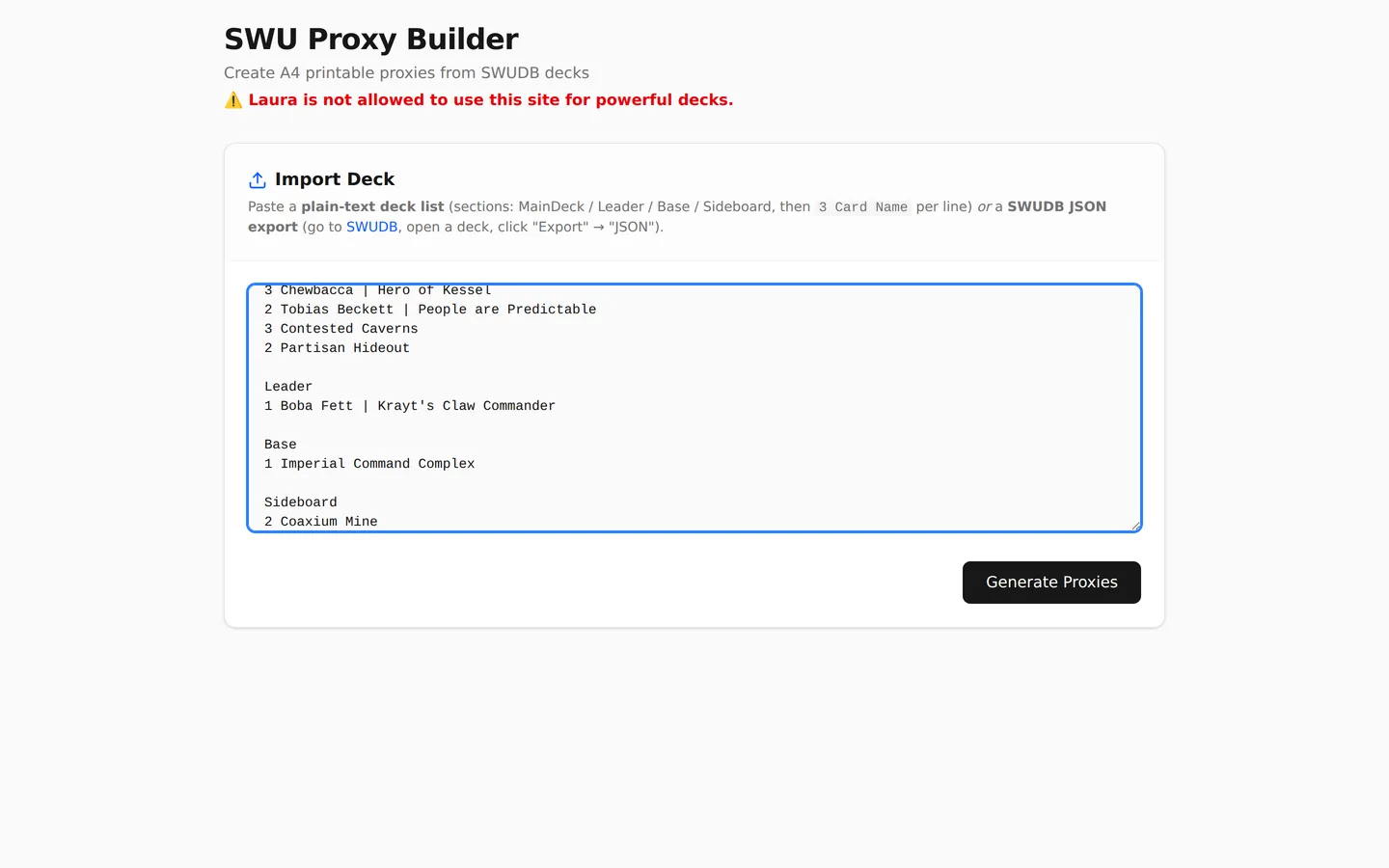
SWU Proxy Builder
A fully client-side proxy card tool for Star Wars Unlimited. No login, no server — search the card database, pick quantities, and get a print-ready sheet. Built to remove every unnecessary step.
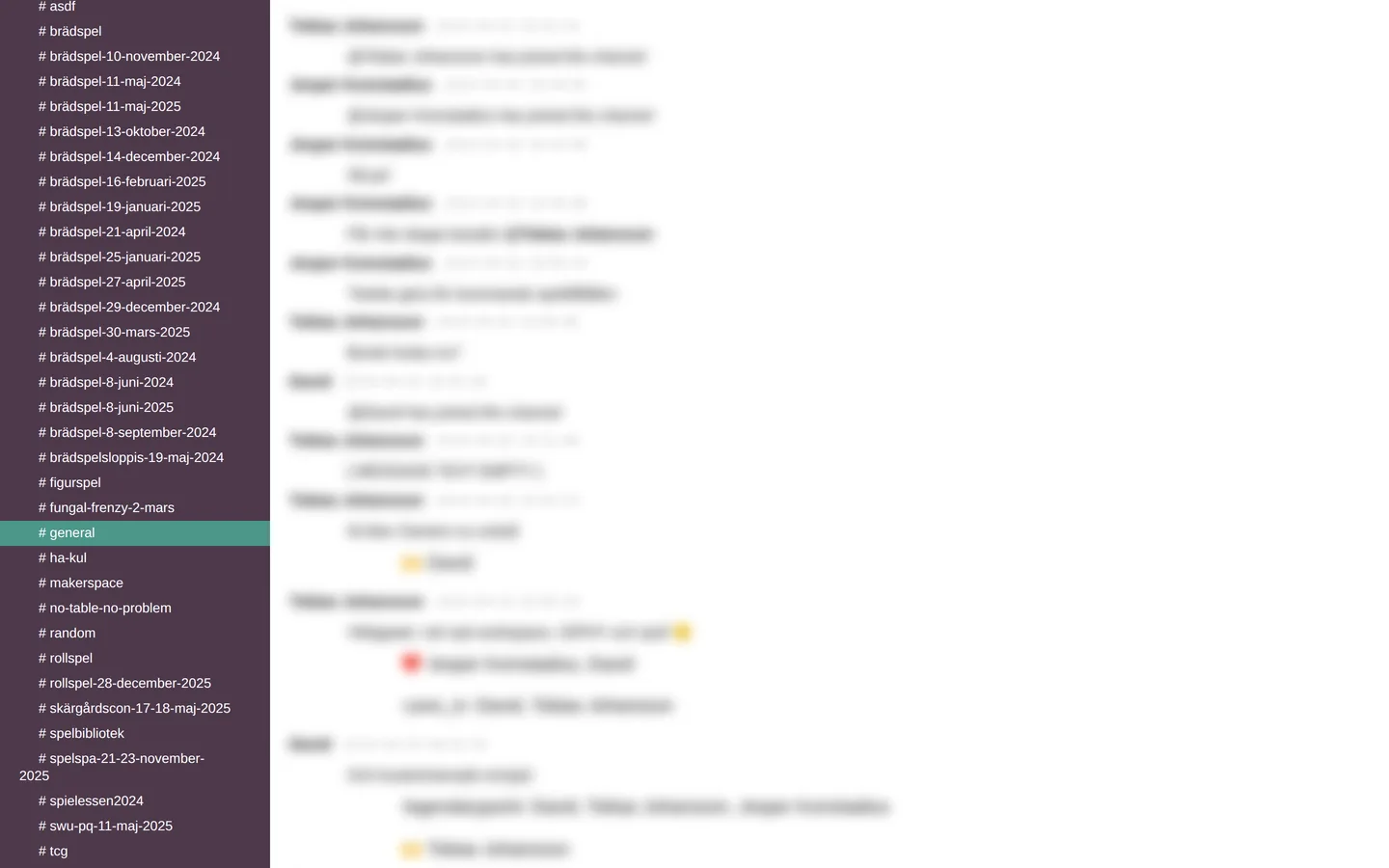
Bradspel Slack Archive
A searchable static website built to preserve years of a board game community's Slack history before free-tier limits wiped it. Pure HTML/JS — no infrastructure, no maintenance, just the history intact.
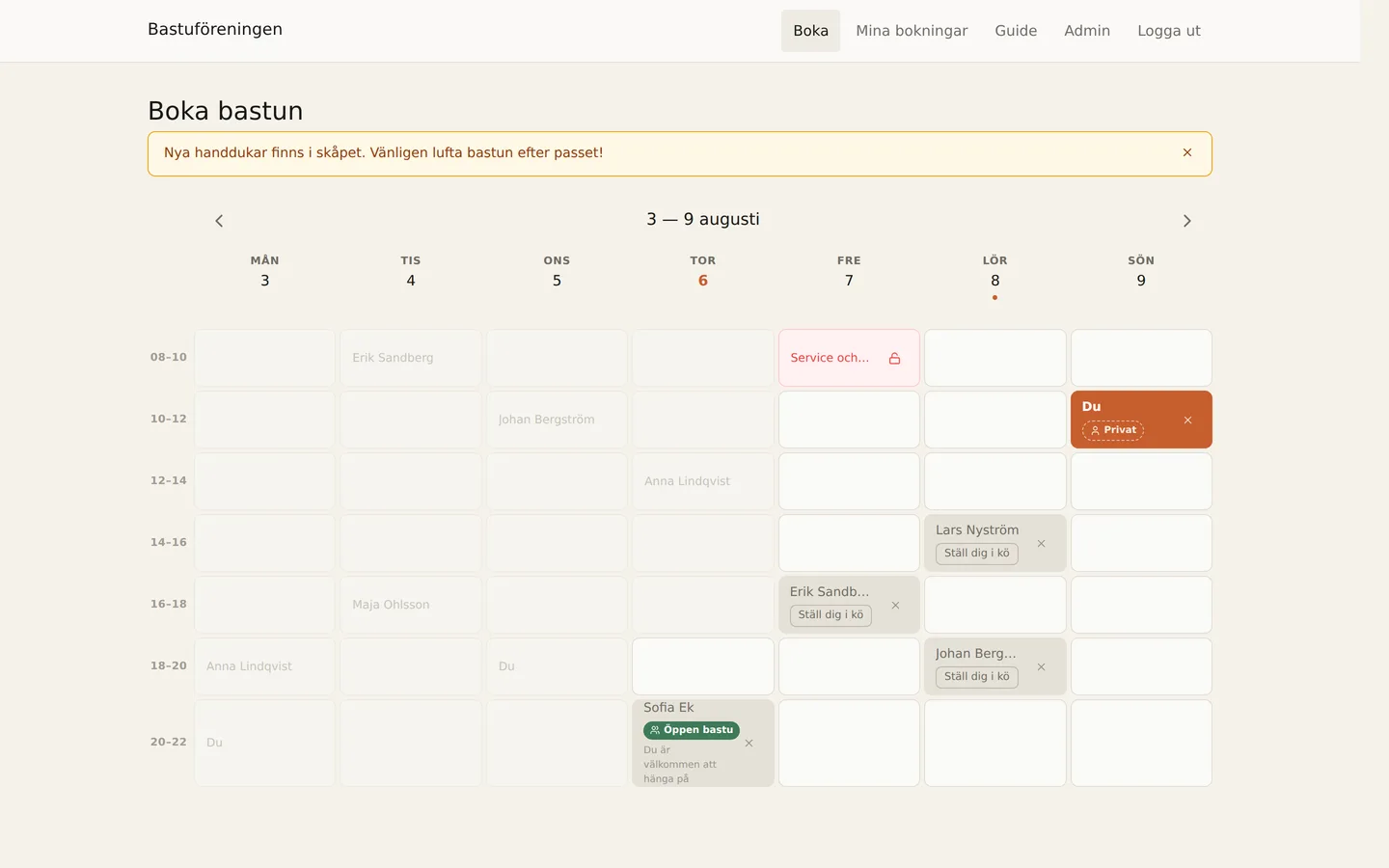
Bastuföreningen
A booking app for a small sauna association — sign in with a one-time email code, take one of the day's two-hour slots, and the calendar updates for everyone else in real time. Built to be simple enough that members who don't like apps still don't mind using it.
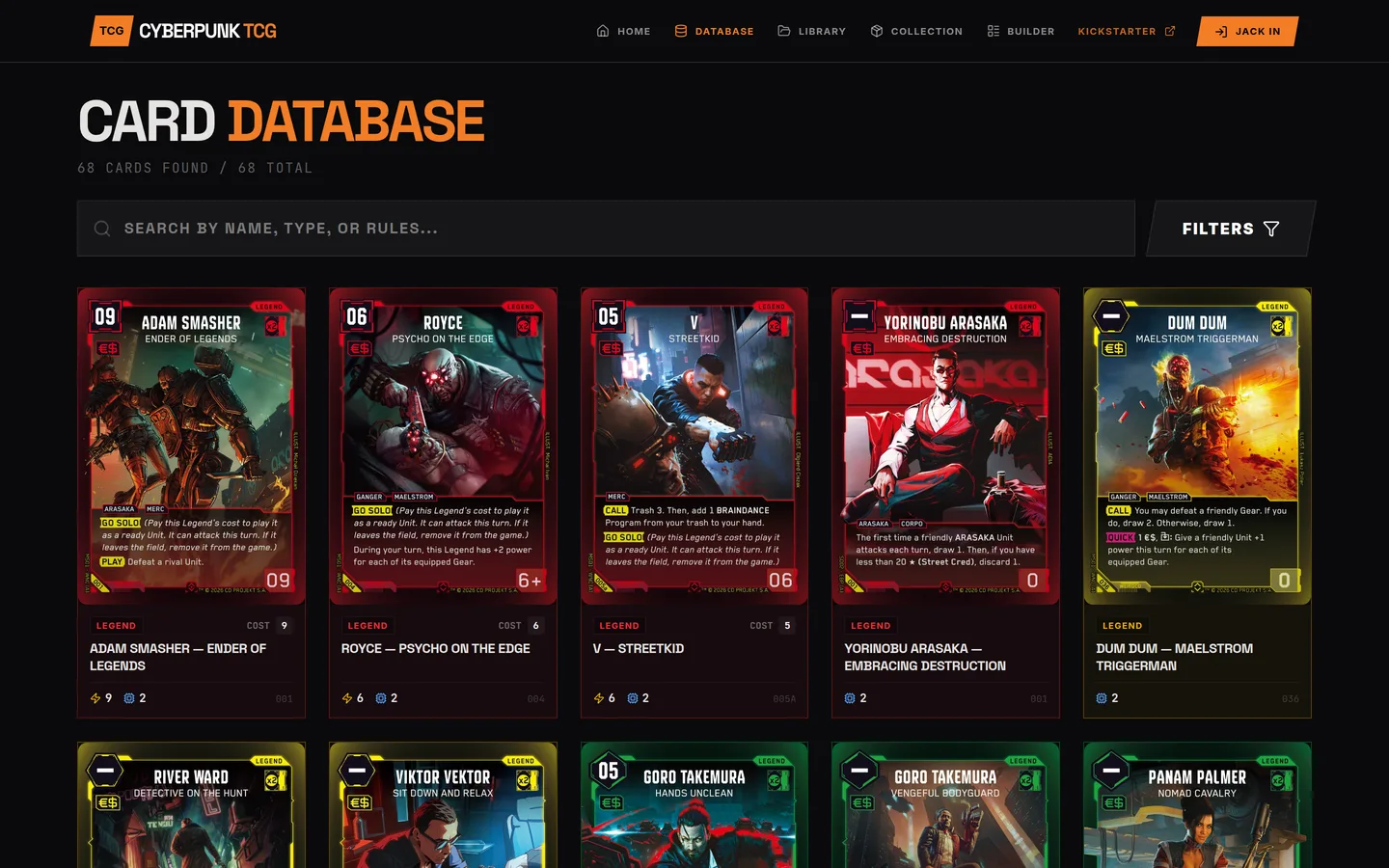
Cyberpunk TCG Deck Builder
A card database and deck builder for a niche Cyberpunk trading card game — browse every printing, build and share decks by link, and track a collection. A GitHub Action keeps the card data in sync with the source every week, automatically.
I care about the gap between what a company thinks its IT problems are — and what they actually are. The answer usually involves people more than systems.
Currently at Toca Boca, where I lead IT strategy, security, and figuring out how AI can make the studio run smoother without getting in anyone's way.
I'm a certified ITIL practitioner, PSM1 Scrum Master, and a professional life coach — which probably explains why I find team dynamics as interesting as architecture decisions.
Open to conversations — about IT leadership, digitalization, or anything that sounds genuinely interesting.
The best collaborations I've been part of started with a simple question. Feel free to reach out.